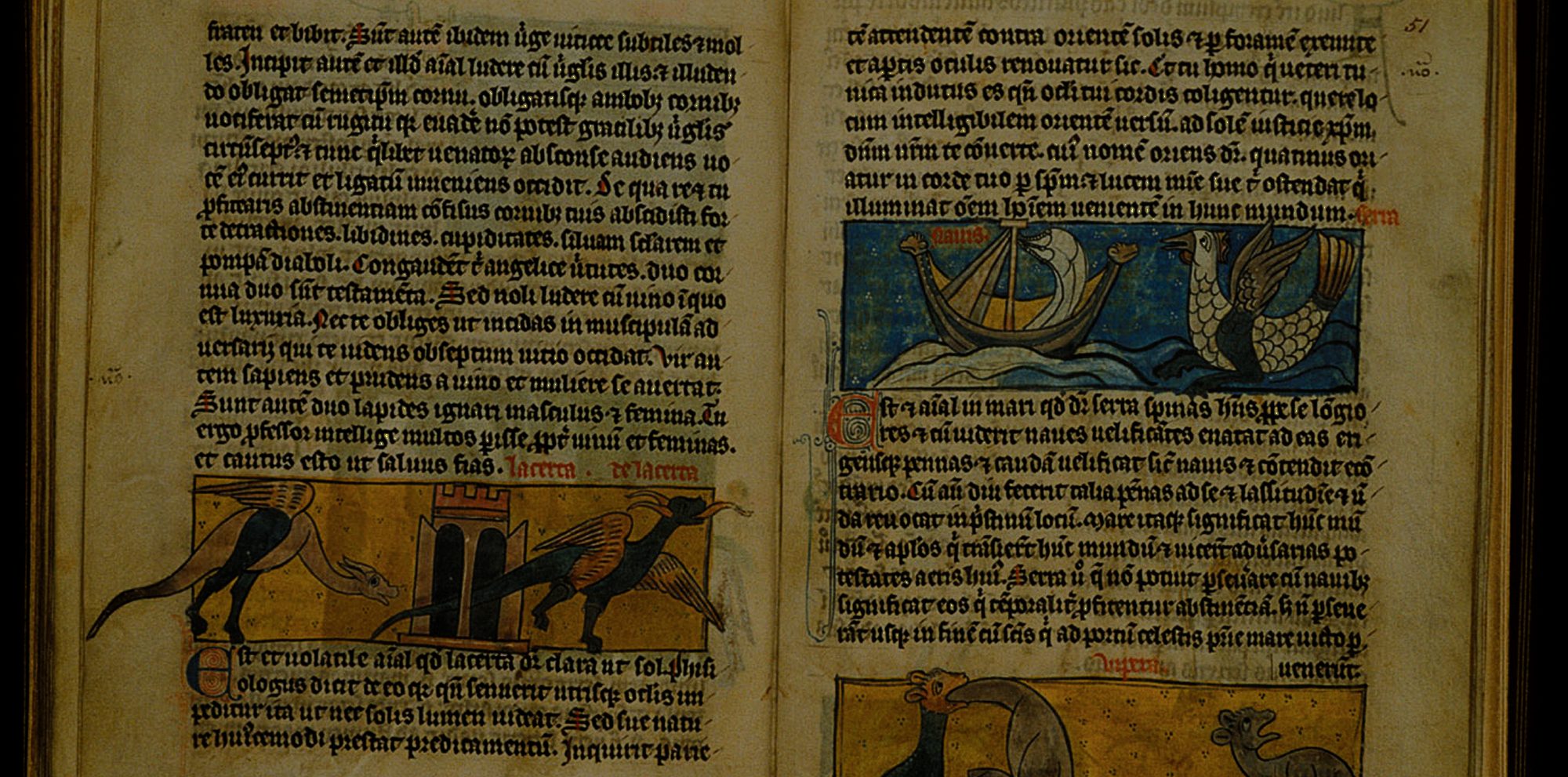
Mermaid mythology traces as far back as 1000BC, popping up all over the world (Radford, 2017). Some believe that mermaids exist as figments of peoples imaginations, while others believe that mermaids were gods and goddesses bringing blessings to those who saw them. In the world we know now mermaids account for a lot of conspiracy theory, pop culture, movies, and even occupations.
As mermaids and sirens continue to grow in popularity, people all over the world are growing ever more curious about these mythical creatures. This has opened up many opportunities for people to explore their hobbies in ways many wouldn’t typically imagine. In the video below, we are shown just one way how mermaids have affected the daily lives of people all over the world.
Merfolk, as seen as in Greek mythology, speaks of the god Triton who was the merman messenger of the sea. There are also instances of merfolk being worships in Hinduism and the Afro-Brazilian religion, Candomble, which is still practiced to this day. However, in folklore there is often the notion that mermaids are evil creatures whom sailors and other water travelers should stay away for death could be inevitable. We see can see this in the popular movie Pirates of the Caribbean.
The notion that mermaids are “real” began in the early 1600’s when sailors and communities in coastal towns began to meet and see these “sea maidens”. This phenomena began to happen all over the world. People began recounting times when mermaids saved them from drowning or capturing them on fishing ships. However, it soon became fact that people were making up fake encounters with mermaids to spike the public eyes interest. People even made fake mermaid corpses and charged people to see them in carnivals just to make some quick cash. This trend moved forward into our contemporary understanding of mermaids (Radford, 2017).
With science being at the forefront of so much information that we know about the world, mermaids have been believed to be human sized sea creatures like manatees and dolphins. But when sightings occur, society races to find out if its true or not. There are accounts of tourist sites charging larges amounts of money to just to be where a mermaid was supposedly seen. For example, on the coast of Israel there was a siting, and with that came a 1 million dollar reward for the first photograph of a mermaid to be captured.
In recent years, Animal Planet, released, what seemed to be a real documentary about finding mermaids called “Mermaids: the Body Found” in 2012. A lot of people thought this to be a real documentary, but that was not the case. Animal Planet later released a statement saying that it was in fact, not a real documentary. This is an interesting fact to consider when we think about how people use folklore to make money. Lots of scientists were very upset with this, considering the film made itself out to be a real documentary recounting a real expedition to the deep sea to find mermaids (Thaler, 2016).
This is a clip from the film “Mermaids: The Body Found”.
While all the mermaids we know might be fun, colorful, magic, and whimsical, mermaids didn’t always look like that. Over time there have been many experiences and observations that change the way in which we view mermaids. This photo vault outlines the ways in which people shared how they experienced and thought mermaids to look. Some pictures shown in the photo vault my appear later on in the websites StoryMap.
The Mermaid Vault

Ford, H.J., Basmus and the Mermaid, 1897, The Pink Fairy Book, November 28, 2018 
1887, A mermaid and a merman playing musical instruments. 
Female mermaid with both legs of a human and the tail of a fish. 
1689 Drawing of female mermaid with wheels atop her tail. 
A male and female mermaid in the water. 
Greek soldier holding a mermaid, who is holding the flag of Greece. 
Mermaids and fishes of Amboyna. 
Vodyanoy, a Russian creature, similar to the mermaids and sirens in folklore around the world. 
1800 drawing of mermaid and soldier. 
1842 drawing of mermaid in water seeing human couple on land. 
1885 drawing of man spotting a mermaid in the waters. 
1882, drawing of mermaid next to ship.
1.Radford, Benjamin. “Mermaids & Mermen: Facts & Legends.” LiveScience, Purch, 25 May 2017, www.livescience.com/39882-mermaid.html.
2. Scribner, Vaughn, “Mermaids and Mermen”, History Today, May 5, 2018, November 29, 2018, https://www.historytoday.com/vaughn-scribner/mermaids-and-mermen
3. “Mermaid History”, Mermaids Realm, November 29, 2018, http://pages.suddenlink.net/mermaids_realm/history.html
4.”Mermaids”, Cryptozoology, November 29, 2018, https://thecryptokitten.weebly.com/history.html
5. Thaler, David. “The Politics of Fake Documentaries.” Slate Magazine. August 31, 2016. Accessed December 04, 2018. https://slate.com/technology/2016/08/the-lasting-damage-of-fake-documentaries-like-mermaids-the-body-found.html
6. “The mermaid Isles Project”, folklore archives, December 3, 2018, http://www.thethinkersgarden.com/tag/folklore/
7. “Vodyanoy”, wikipedia, December 3, 2019, https://en.wikipedia.org/wiki/Vodyanoy
8. Bostantzoglou, Chrysanthos Mentis. “Alexander the Great, and His Sister, the Mermaid.” Digital image. Greece Is. December 2, 2015. Accessed November 5, 2018. www.greece-is.com/a-city-becoming/.
Page written and created by Connor B., Kenzie S., and Ten H.
