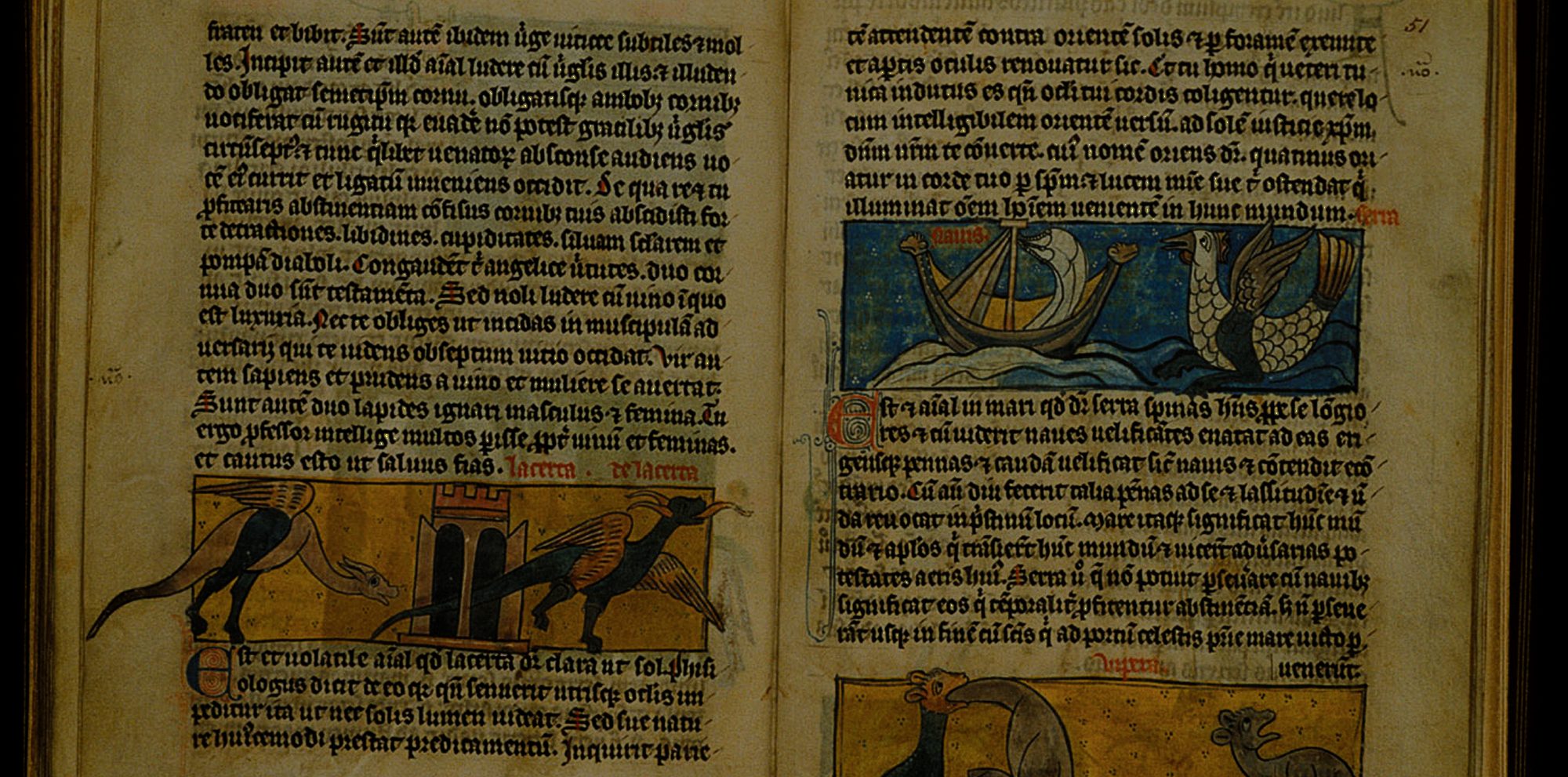
In folklore and history it is important to unpack how the storytellers and the influencing systems that are in play influence which stories and ideals are formed in the world. It is often the understanding that mermaids embody femininity in a condescending way, in a lot of folklore, myth, and now pop culture. If we are to fully understand how myths and legends came to be, it is crucial that we look to how people were interacting with the world. This would help us see how things were set up to have people be disadvantaged. Throughout history women have experienced oppression that stems from their identity and what being a woman means to different cultures around the world.
Oppression doesn’t always mean fascism or wanting a person to die for their identities. It can also mean exploitation and fetishization. This manifests, first, in who is writing the stories. A very popular mermaid tale is the one of Hans the Mermaid’s Son. A tale in the Pink Fairy Book edited by Andrew Lang, we follow the journey of a young half human and half merman person on his journey through maturation. Now what is missing here is the mermaid. During the entire story there is only mention of the mermaid, Hans’ mother, who plays a very important role but is only viewed as something wanted for sexual desire and meeting needs of men unconditionally (Lang, 1897).

In the popular Disney film, The Little Mermaid, we follow the story of a young mermaid princess who has a beautiful singing voice and wants to be human. Her desire to be a human is even more driven when she meets a human prince on a ship whom she falls in love with. After this, Ariel goes to a different sea creature, Ursula, who is part human part octopus. She is known for doing magic and spells for people, but only at a cost. Ariel’s price for becoming a human, and to fall in love with the prince, was to lose her voice. After that happens, Ariel doesn’t speak or sing throughout the rest of the movie, and says significantly less words than all of the other masculine characters in the movie (Guo, 2016).

In contemporary pop culture, this trend has continued in not only stories, but movies that are about mermaids. Being used as hyper sexual objects, being very curious about human men, and aligning with the narrative that men, and falling in love with them will fix all of their problems is seen in almost all mermaid stories or movies (Bitch Media, 2018). When we recognize these patterns we need to think about lenses of how people are seeing the world. Disney and Andrew Lang are two examples of how men, and in turn, sexism affect how stories and narratives are told. We are seeing nothing more than a sexualized being whom should be lusted after and not talked about. These kinds of ideals can be seen in sexism, patriarchy, and capitalism. These are all oppressive systems that are clouding the lenses, in which these influential writers and producers are coming from. Which, in turn, changes the ways in which we digest, process, and understand these biases that are in mermaid narratives.
Guo, Jeff. “Researchers Have Found a Major Problem with ‘The Little Mermaid’ and Other Disney Movies.” The Washington Post. January 25, 2016. http://www.washingtonpost.com/news/wonk/wp/2016/01/25/researchers-have-discovered-a-major-problem-with-the-little-mermaid-and-other-disney-movies/?utm_term=.adcc7d882ff6.
Hughes, Sarah. “Magical and Gender-Fluid … the Enduring Appeal of Mermaids.” The Guardian, Guardian News and Media, 7 Jan. 2018, www.theguardian.com/culture/2018/jan/07/mermaid-books-film-culture-gender-women-myth.
“Mermaid Myths Reflect The Cultural Fear of Young Women’s Desires.” Bitch Media, 1 May 2018, www.bitchmedia.org/article/mermaids-societal-fears-women-desires.
Lang, A. (1897). Hans, the Mermaid’s Son. The Pink Fairy Book (Lit2Go Edition). Retrieved November 26, 2018, from http://etc.usf.edu/lit2go/145/the-pink-fairy-book/4828/hans-the-mermaids-son/
https://cla.blog.ryerson.ca/mermaids-exploring-gender-inequality-in-folk-and-fairy-tales/
This blog, from another university, did similar research on gender and mermaids and gave the resource of the Pink Fairy Book. However, access became private after I read the article, however, it is still important to give credit where credit is due.
Page written and created by Connor B., Kenzie S., and Ten H.
